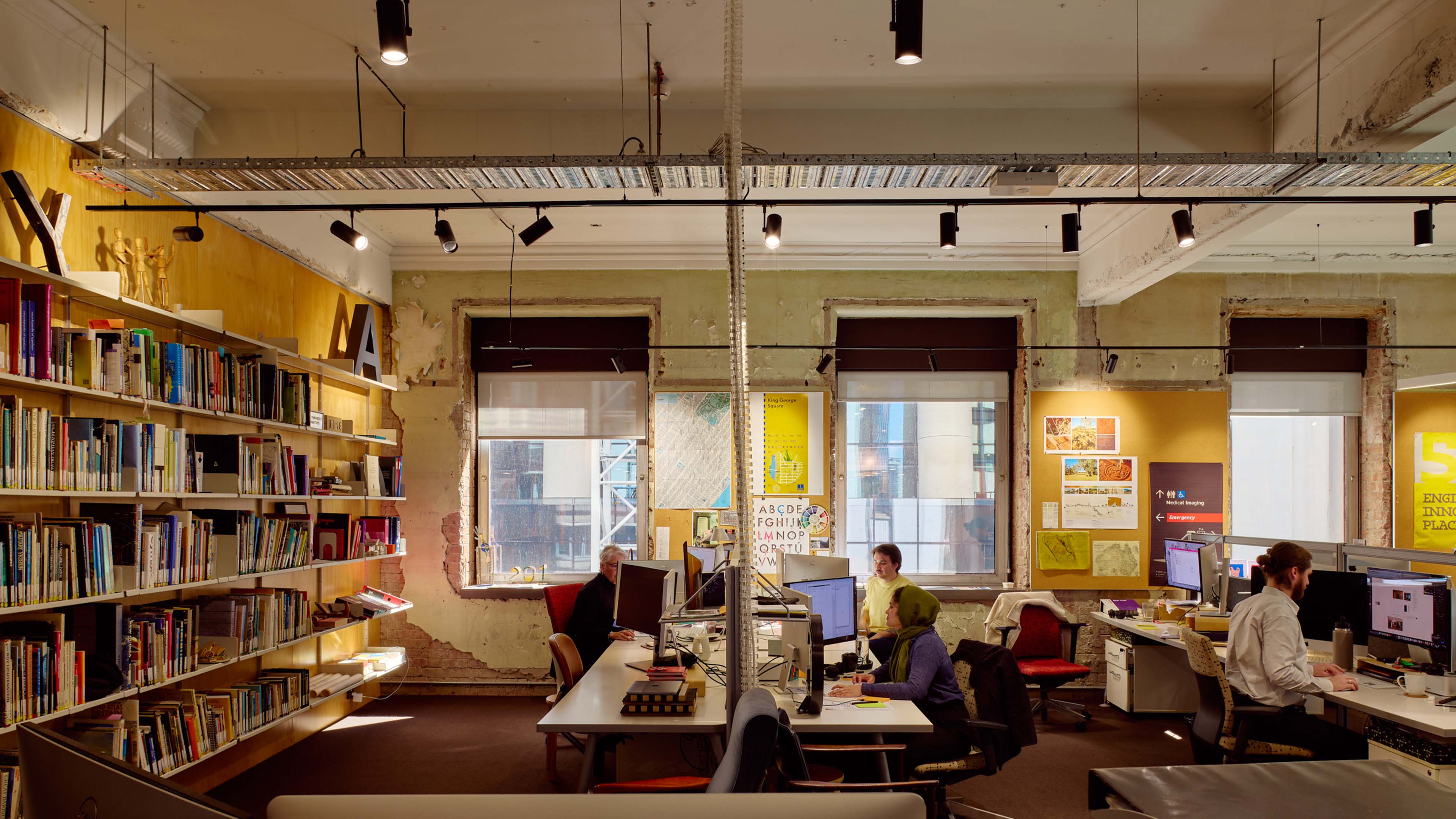
Established in 1988, Dotdash is a leading international wayfinding and visual communication design practice with a breadth and depth of experience across all sectors.
Our design approach establishes identity and legibility of spaces, and considers the character of place, the needs of all people, and the significance of culture.
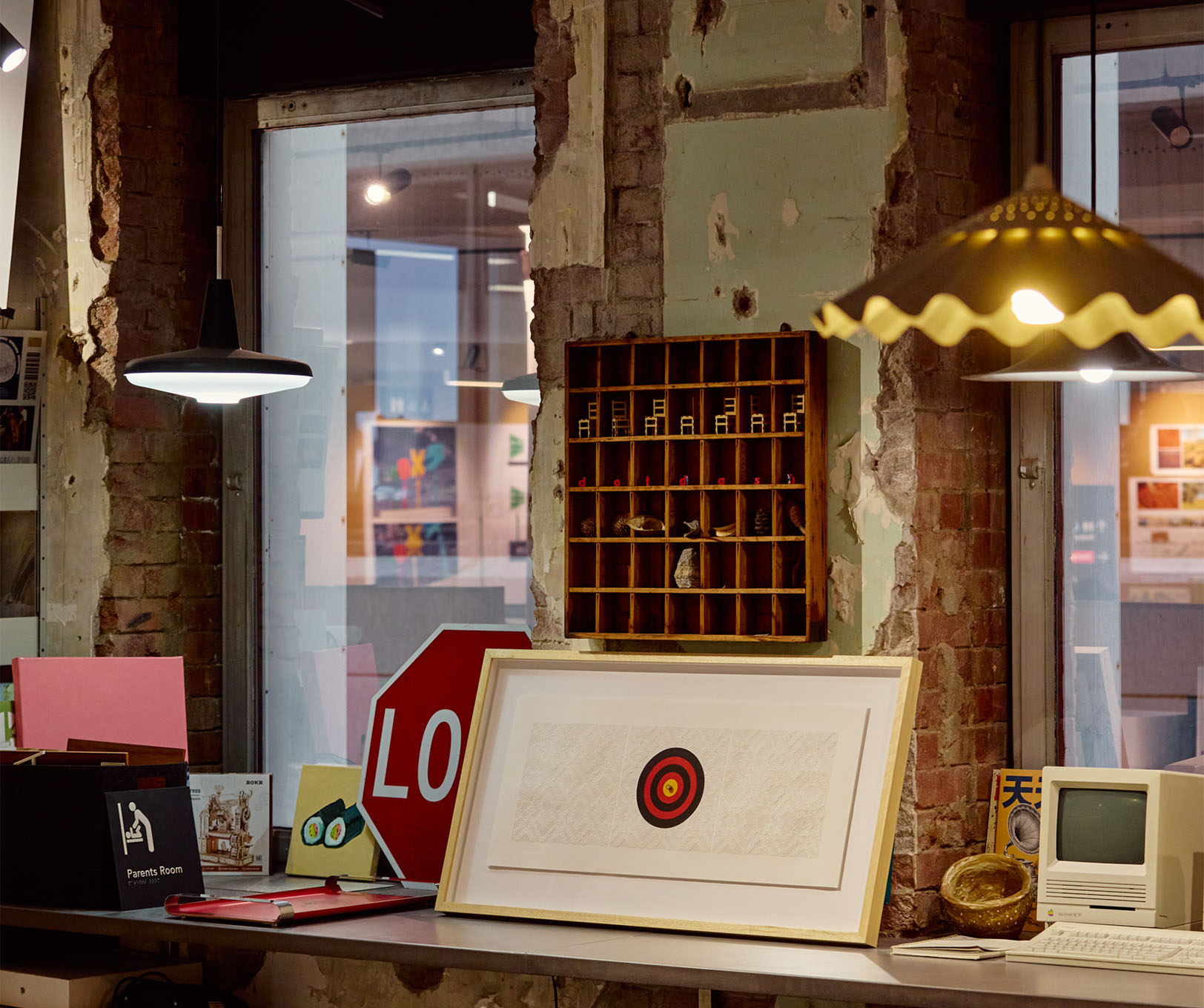
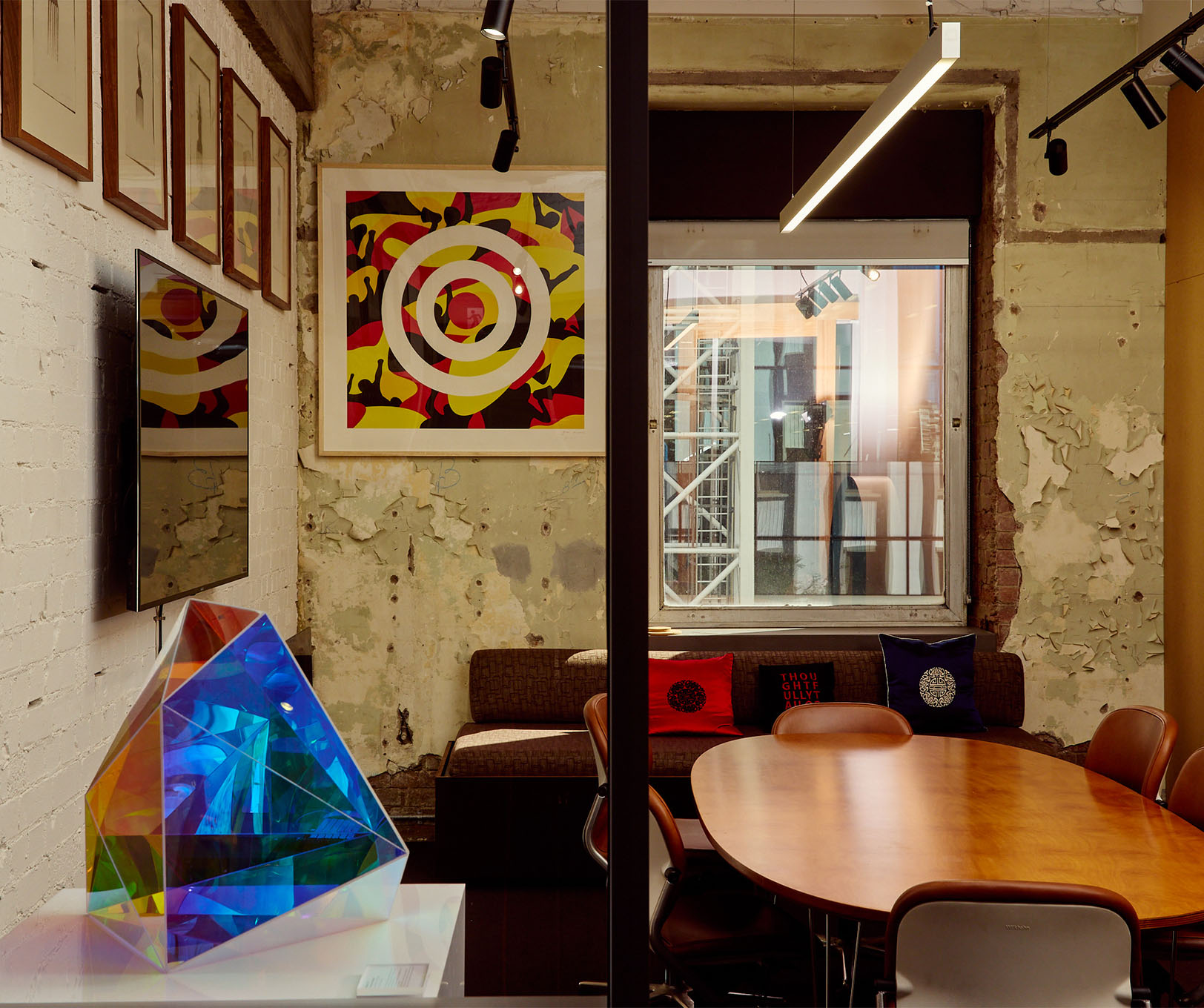

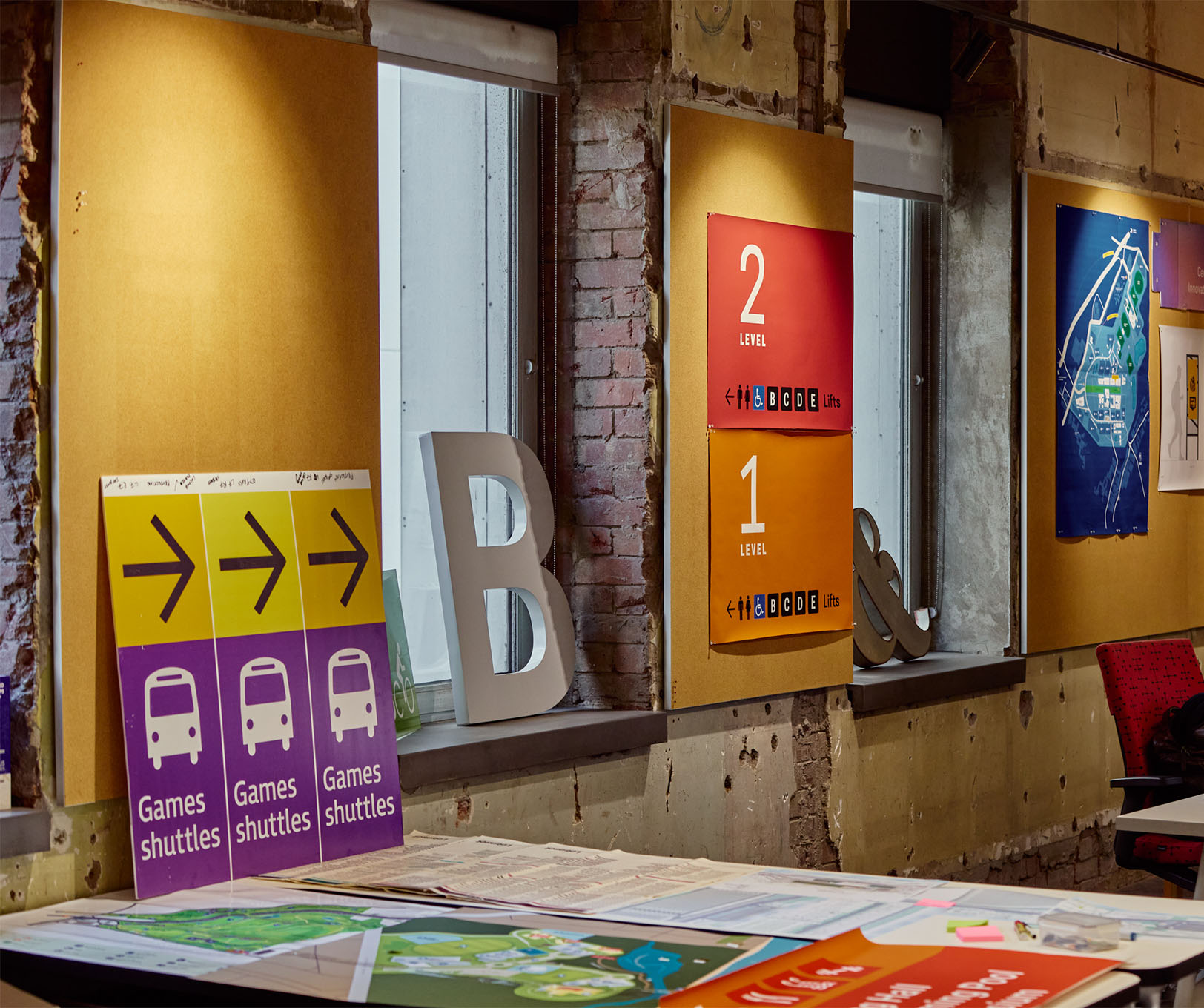
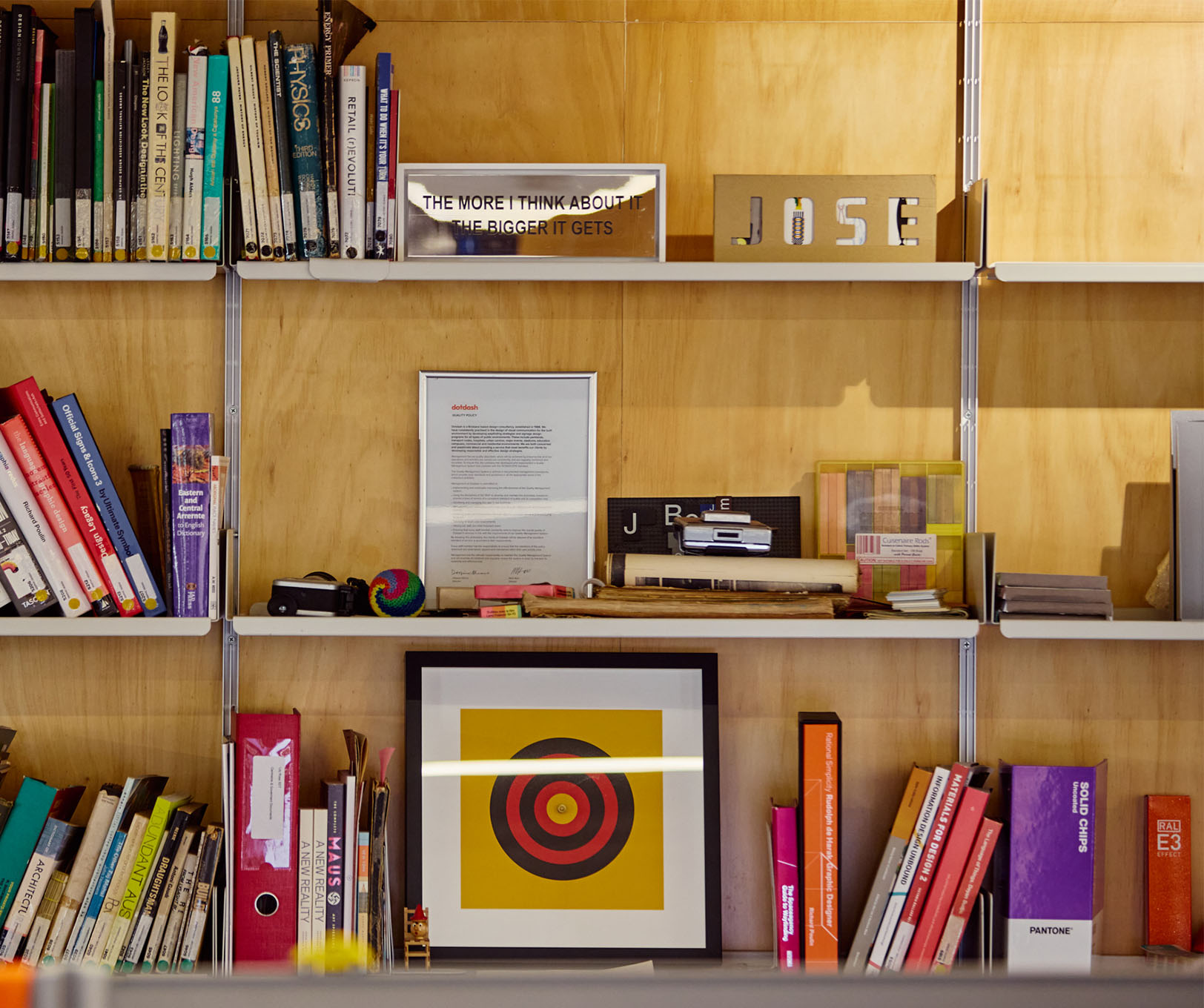
We are commissioned for public and private projects including –
Cities and Places, Arts and Culture, Transport and Active Travel, Healthcare, Education and Research, Workplace, Parklands, Commercial and Residential, Sports and Events.
We are trusted project partners and proactive collaborators working with government bodies, architects, landscape architects, urban designers, and major contractors.
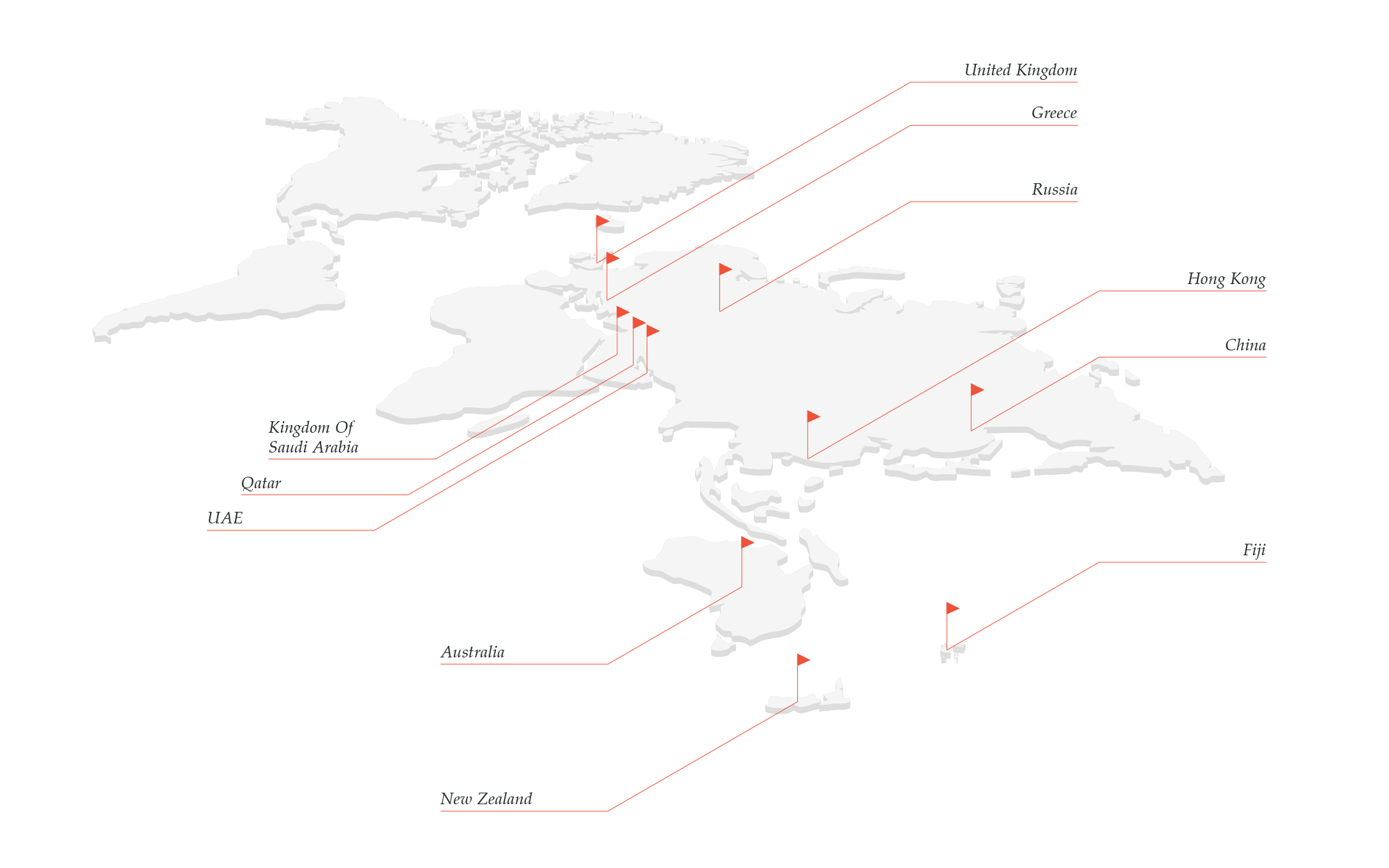
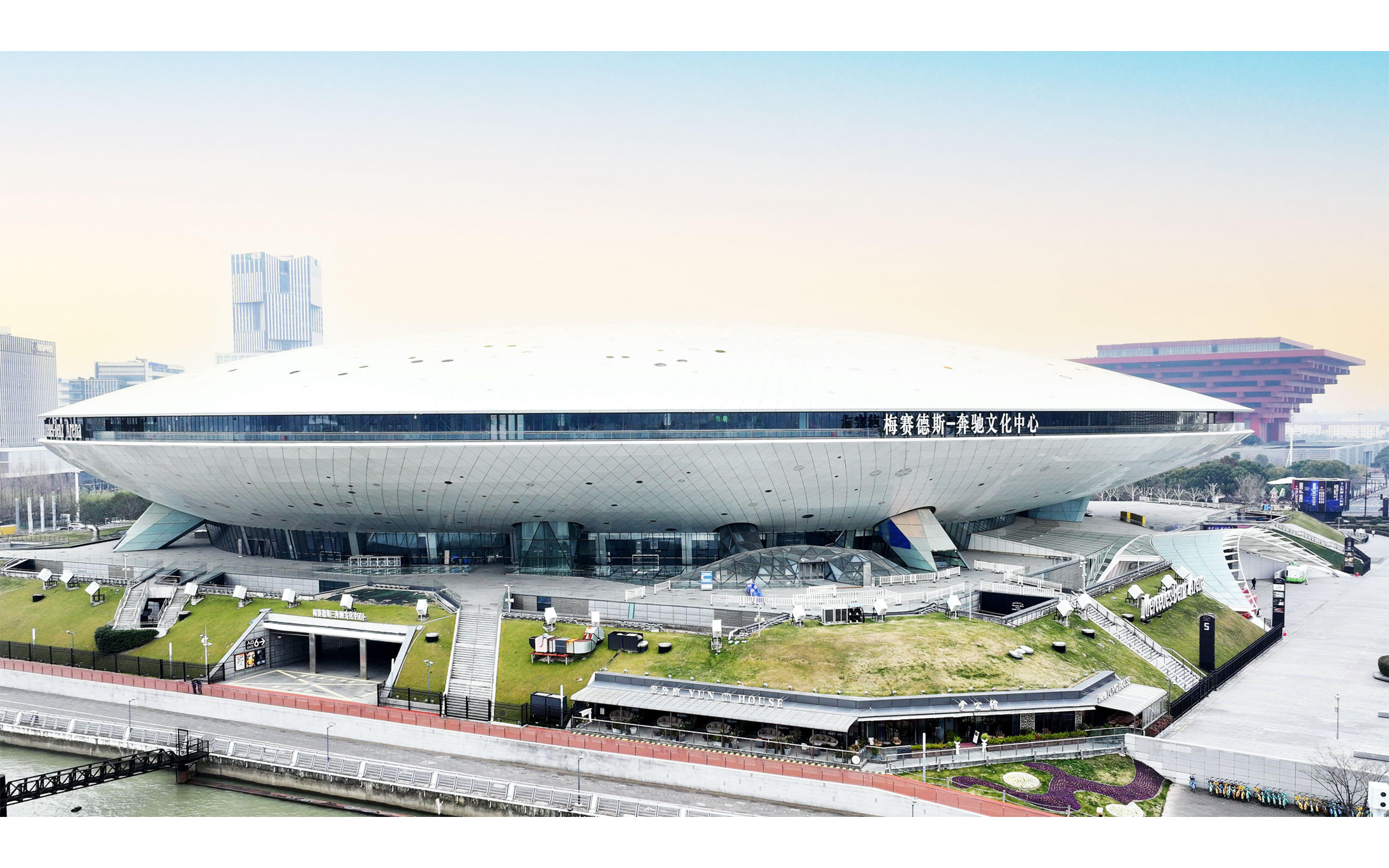
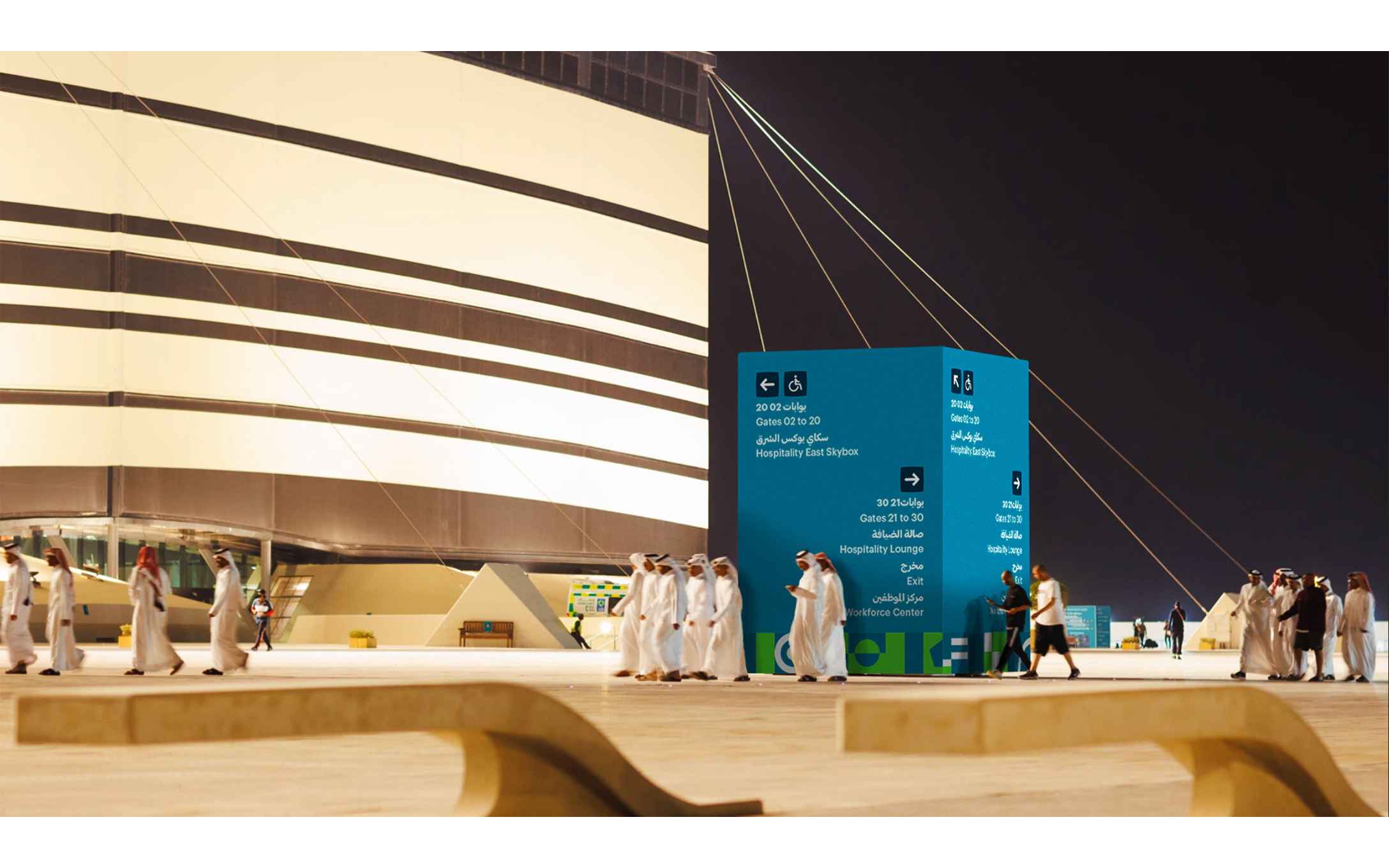
An interdisciplinary design team —
With studios in Australia and the United Kingdom, we bring together a diverse range of specialist design disciplines.
Our team includes visual communication designers, strategists, product designers, engagement facilitators, design managers, and BIM coordinators.
Australian Aboriginal and Torres Strait Islander peoples’ deep knowledge of land, movement, and storytelling continues to guide how we navigate place and meaning. We acknowledge the Turrbal and Yuggera peoples as the Traditional Custodians of the land where our Meanjin studio is located. Dotdash is honoured to work alongside First Nations communities across Australia, whose enduring cultures and knowledge systems continue to inspire our practice.